








Washington cannabis tax, explained for the bookkeeper
Cannabis retailers report to two agencies every month. This video explains the excise, the medical exemption records and the penalties, and shows how a bookkeeper handles both returns in one close.
- 0:00 Two agencies
- 0:20 The cannabis excise
- 0:45 Sales tax and B&O
- 0:55 Medical sales
- 1:15 Late penalties
- 1:30 One close in Sundry
- 1:50 Growing the practice
Transcript
Maya My point-of-sale system says the report's done.
Dana That report doesn't count with the state.
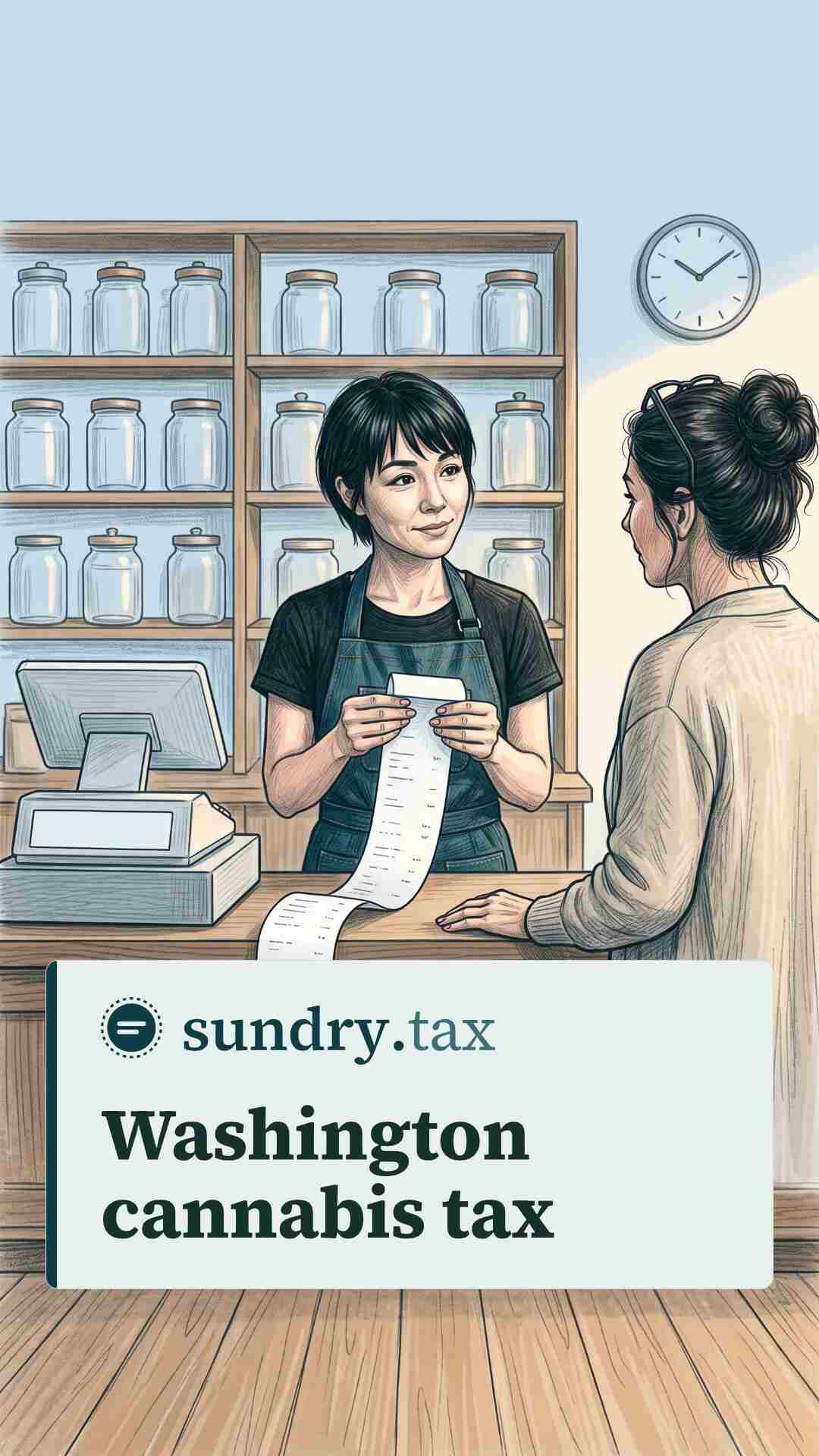
Sal A Washington cannabis retailer reports to two agencies. The thirty-seven percent cannabis excise goes to the Liquor and Cannabis Board every month, due the twentieth of the following month, even with zero sales. A point-of-sale report doesn't satisfy it; the Board's own sales and tax form does.
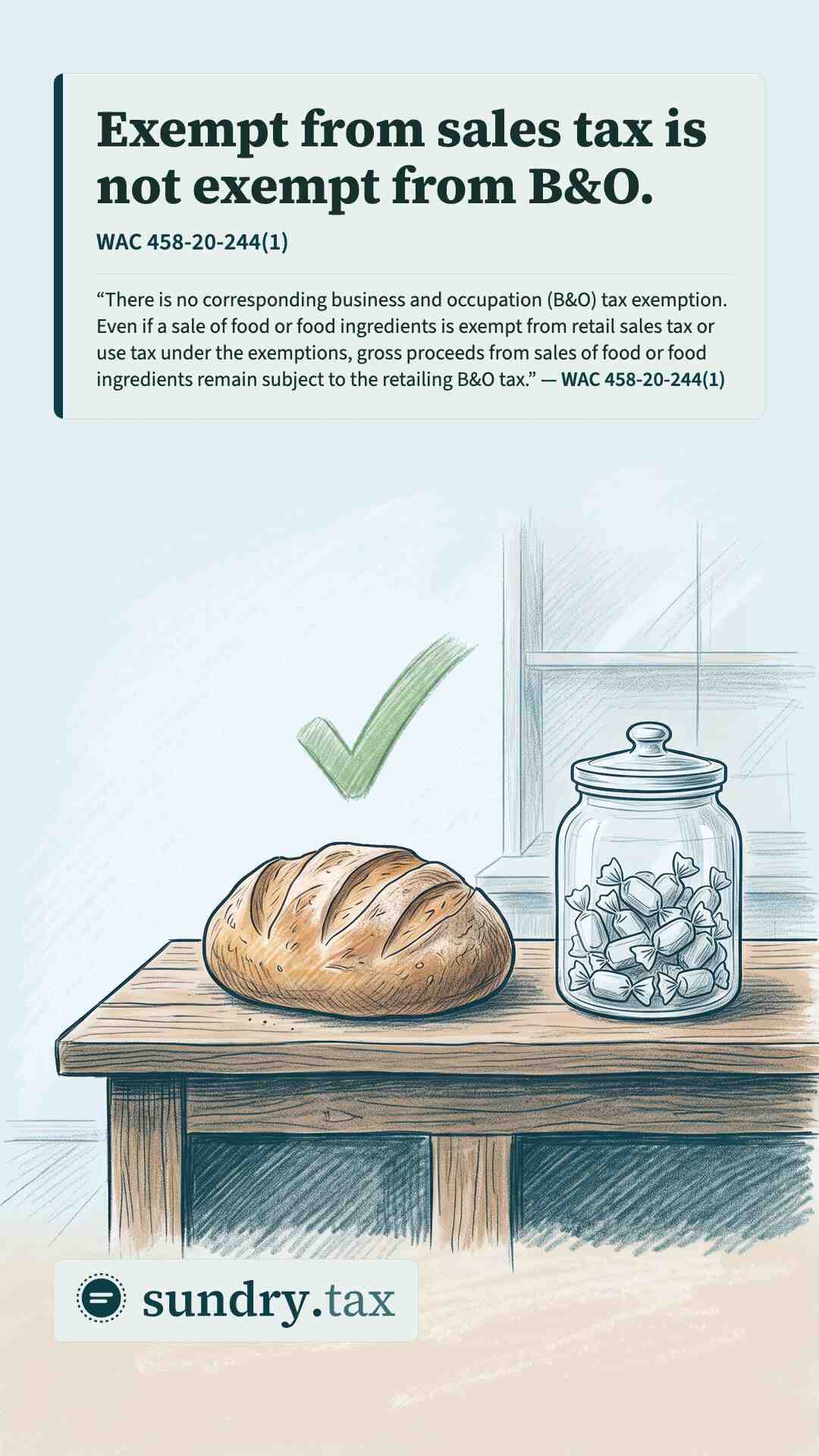
Sal Then retail sales tax and B&O go to the Department of Revenue, on top.
Sal Medical sales can be exempt from the excise until June thirtieth, twenty twenty-nine, but only with an active endorsement, an active recognition card, and a compliant product. For each sale the store keeps the patient identifier and dates from the card, the SKU, the date and the price, or the excise is owed.
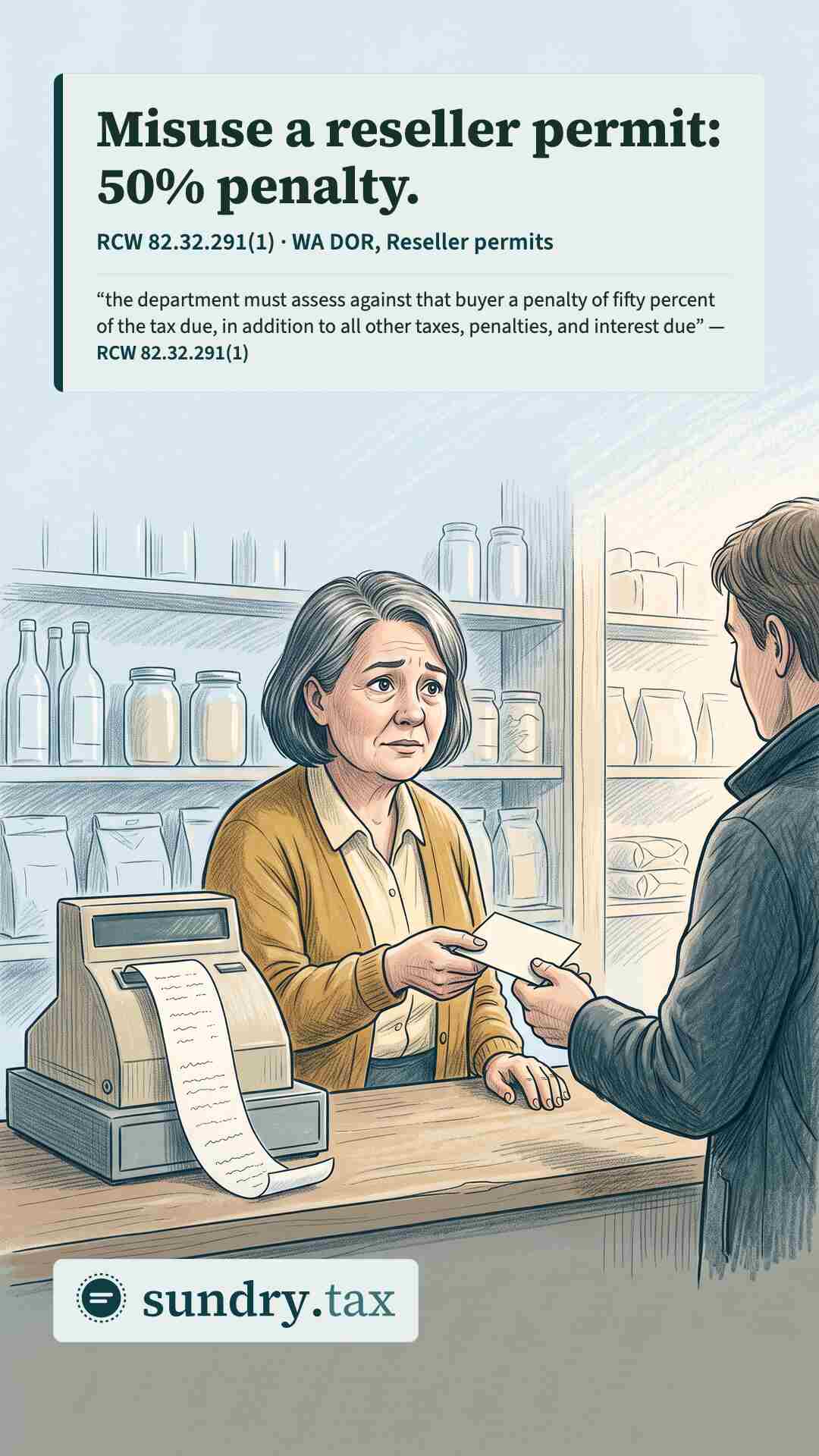
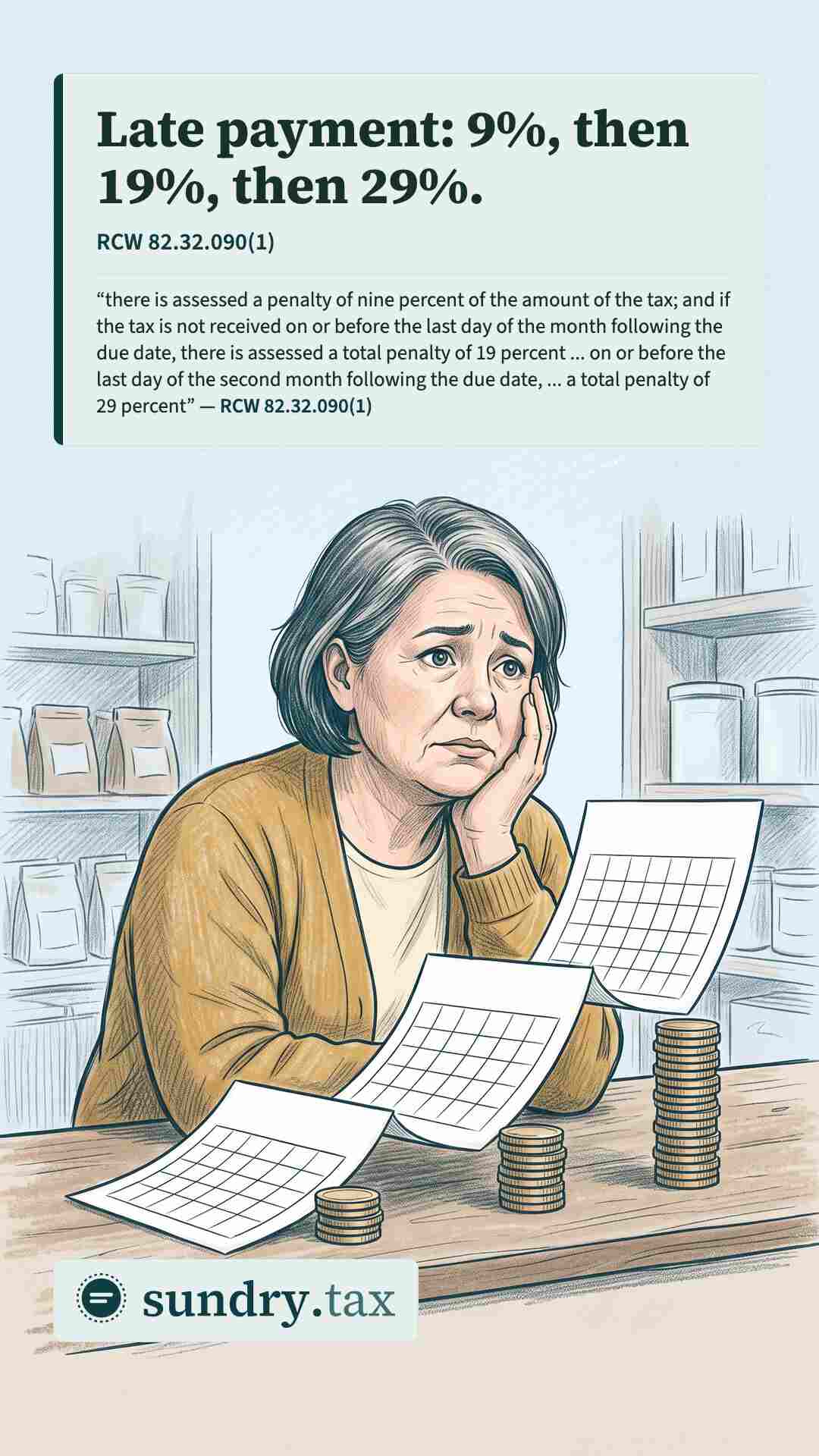
Sal Late on the excise means two percent a month on the unpaid balance, and the licence is at risk. Late on the state return: nine, then nineteen, then twenty-nine percent in total.
Sal In Sundry the store is set up once, with both agencies. Month-end brings both returns together and stops only where a person is needed. Then the owner signs off on the Sundry Worksheet.
Dana One close. Two agencies. Nothing goes forward until I say so.
Dana Most firms won't touch cannabis. So the stores that find a bookkeeper who knows it tend to stay.
Rory Cannabis stores answer to two agencies every month. We built Sundry so their bookkeeper can handle both in one close.