REV 27-0032
Batteries and battery packs for electric vessels (over 15 kW) and shoreside batteries for charging electric vessels
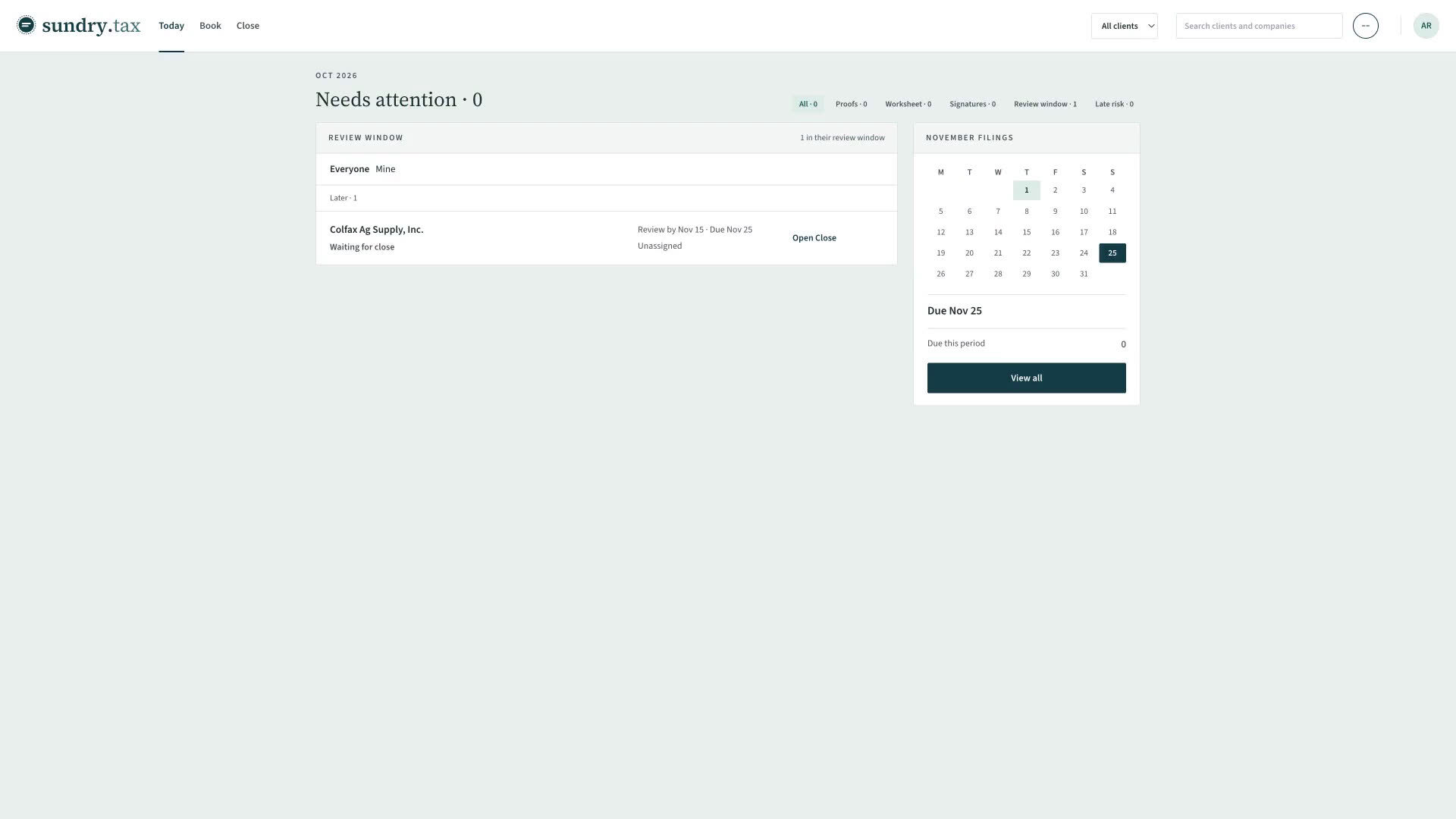
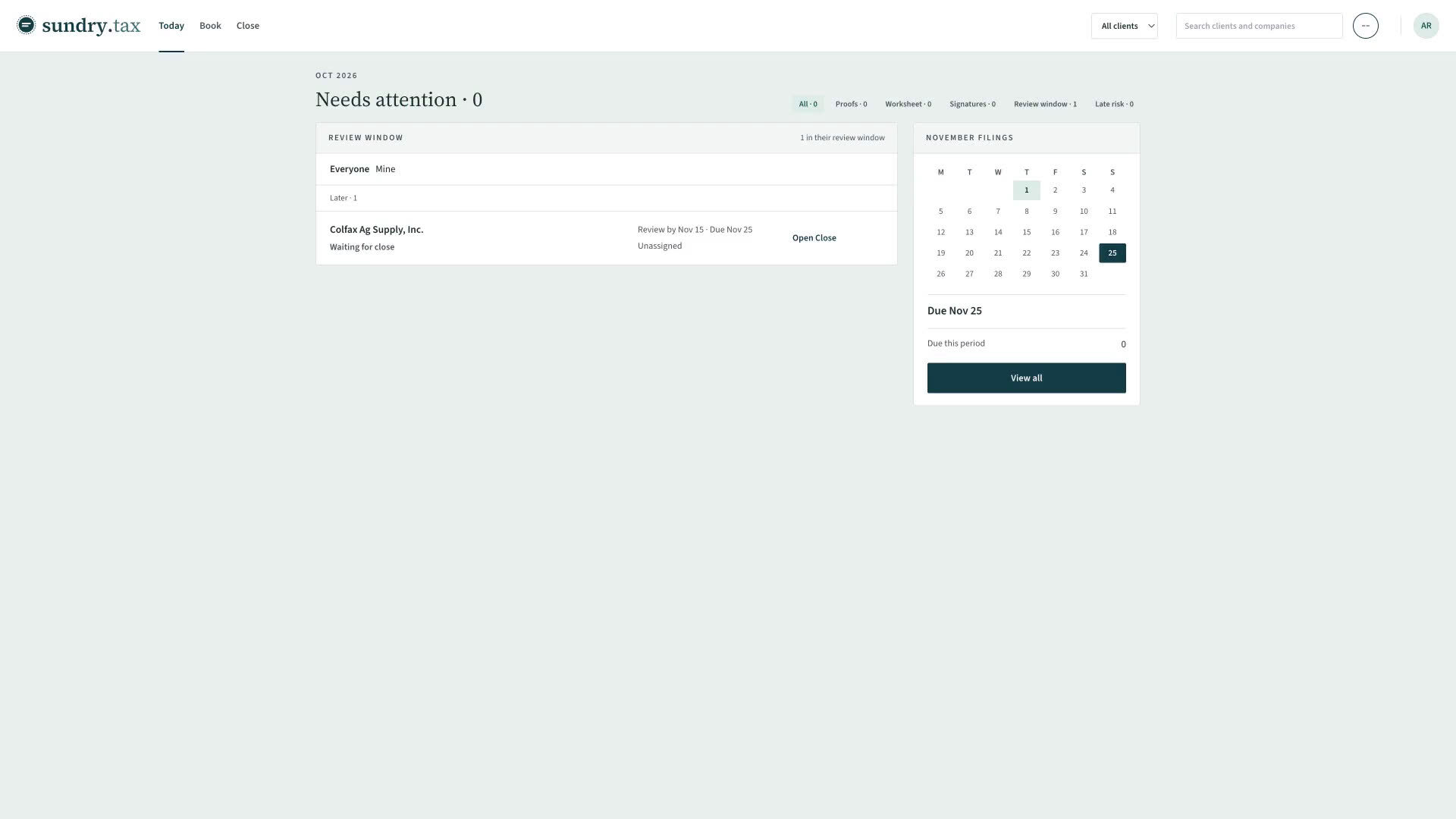
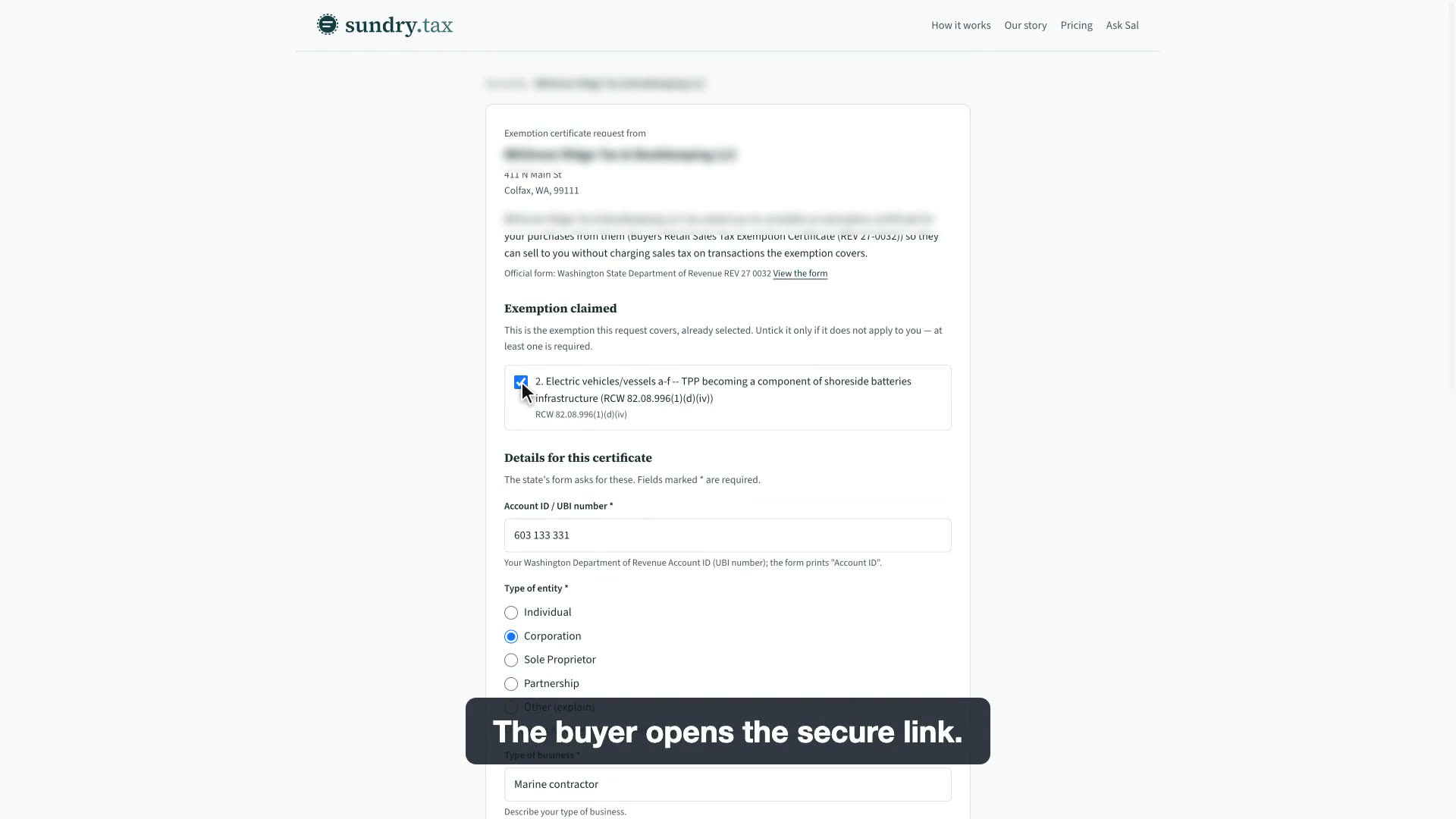
A firm asks a customer for this certificate, the buyer fills in and signs the form from the emailed link, and Sundry shows it signed and Verified by Sundry.
Batteries and battery packs
Shoreside battery infrastructure
Shoreside infrastructure components
Batteries and battery packs that power only electric or hybrid electric marine propulsion systems over 15 kW are exempt from Washington sales and use tax, with the labor to install and repair them. New dockside batteries for charging electric and hybrid vessels are exempt too, with their charging infrastructure. The exemption runs to July 1, 2030.
Who qualifies
- DOR: anyone who purchases qualifying batteries or shoreside infrastructure. The statute sets no buyer type; the test is the item and its use.
What qualifies
- Batteries and battery packs used to power, exclusively, electric marine propulsion systems or hybrid electric marine propulsion systems that operate at a continuous power greater than 15 kilowatts.
- Labor and services to install, repair, alter or improve those batteries or battery packs.
- New shoreside batteries bought and installed to reduce grid demand when charging electric and hybrid vessels, and labor to install, repair, alter or improve them.
- Labor to install, construct, repair or improve shoreside batteries infrastructure (the shoreside battery bank, charging apparatus and emergency services generator), and property that becomes a component of that infrastructure.
- A "hybrid electric marine propulsion system" has two or more sources of propulsion in one design, one of which must be electric.
Not covered
- Batteries that power anything other than the propulsion system. The statute says "exclusively."
- Batteries for systems with continuous power of 15 kW or less.
- The electric motor or a new electric vessel. Those fall under the separate propulsion exemption (form line 2d).
- Shoreside batteries that are not new.
- Batteries for electric road vehicles. That exemption (line 2a) expired July 1, 2025.
- Purchases on or after July 1, 2030, when RCW 82.08.996 expires.
What the buyer gives
The Buyer's Retail Sales Tax Exemption Certificate, form REV 27 0032 (6/17/25), line 2e: "Batteries and battery packs or shoreside battery infrastructure used to exclusively power electric marine propulsion systems operating at a continuous power greater than 15kW." The buyer ticks single use or blanket (blanket works while buyer and seller have at least one sale within 12 months), enters the seller's name, mailing address and the date, checks the line named below, lists the items purchased, and completes the certification block: type of entity, type of business, Account ID, buyer name and title, street address, and signature. The form says it is not for resale purchases. DOR: a registered business must also complete the buyer's tax preference addendum in My DOR when filing its excise tax return.
What the seller keeps
RCW 82.08.996(2): "Sellers may make tax exempt sales under this section only if the buyer provides the seller with an exemption certificate in a form and manner prescribed by the department. The seller must retain a copy of the certificate for the seller's files." DOR: report these sales on the excise tax return with the deduction "Sales of Batteries / Infrastructure for Electric and Hybrid Vessels." Form REV 27 0032 says: "Seller must retain the original of this certificate for their records. Do not send a copy of this certificate to the Department of Revenue." RCW 82.32.070(1) requires taxpayers to "keep and preserve, for a period of five years, suitable records as may be necessary to determine the amount of any tax for which the taxpayer may be liable." Under RCW 82.08.050(4) a seller is not relieved of the tax unless it keeps proper records of exempt sales and provides them when asked; (7)(a) relieves a seller that obtains a fully completed certificate within 90 days after the sale, and (7)(b) allows 120 days after a department request to prove the sale was not taxable or obtain a fully completed certificate taken in good faith. RCW 82.04.470 governs reseller permits and wholesale sales; it is not the documentation rule for this exempt retail sale.
Common mistakes
- Turning away hybrid boats. The statute covers batteries for hybrid electric marine propulsion systems too, although the form line mentions only electric systems.
- Exempting house or accessory batteries that do not power the propulsion system exclusively.
- Using line 2e for the motor or the vessel. Those are line 2d.
- Using the propulsion system deduction. Battery and infrastructure sales have their own deduction line.
Common questions
- Does a marina's dockside battery bank for charging electric boats qualify?
- Yes, if the shoreside batteries are new and bought and installed to reduce grid demand when charging electric and hybrid vessels. The charging apparatus and emergency services generator are part of the infrastructure.
- Is a replacement battery pack for a 20 kW electric outboard exempt?
- Yes, if it is used only to power the propulsion system. The system must run at a continuous power greater than 15 kW.
- Is installation labor covered?
- Yes. Labor to install, repair, alter or improve qualifying batteries, and to install, construct, repair or improve shoreside battery infrastructure, is exempt from sales tax.
Sources
- RCW 82.08.996 (1)(c)-(d), (2), (3)(a)-(g), (4)
- RCW 82.12.996 (1)(c)-(d), (2)-(4) use tax
- DOR form REV 27 0032 (6/17/25), Buyer's Retail Sales Tax Exemption Certificate Page 1 single use/blanket; page 2 lines 2a and 2e; page 5 line 2e instructions; page 4 certification and retention
- DOR Tax incentive programs Renewable Energy/Green Incentives: Electric vessel and marine batteries and shoreside infrastructure sales/use tax exemption
- RCW 82.08.050 (4), (7)(a)-(c) seller records and certificate timing
- RCW 82.32.070 (1) five-year record retention
- RCW 82.04.470 (1), (7) reseller permits and wholesale sales
- Form
- REV 27-0032: Buyers Retail Sales Tax Exemption Certificate
- Statute
- RCW 82.08.996(1)(c)(i); RCW 82.08.996(1)(d)(i); RCW 82.08.996(1)(d)(iv)
- Category
- Use
- How the buyer provides it
- Signs the state form in the buyer portal